



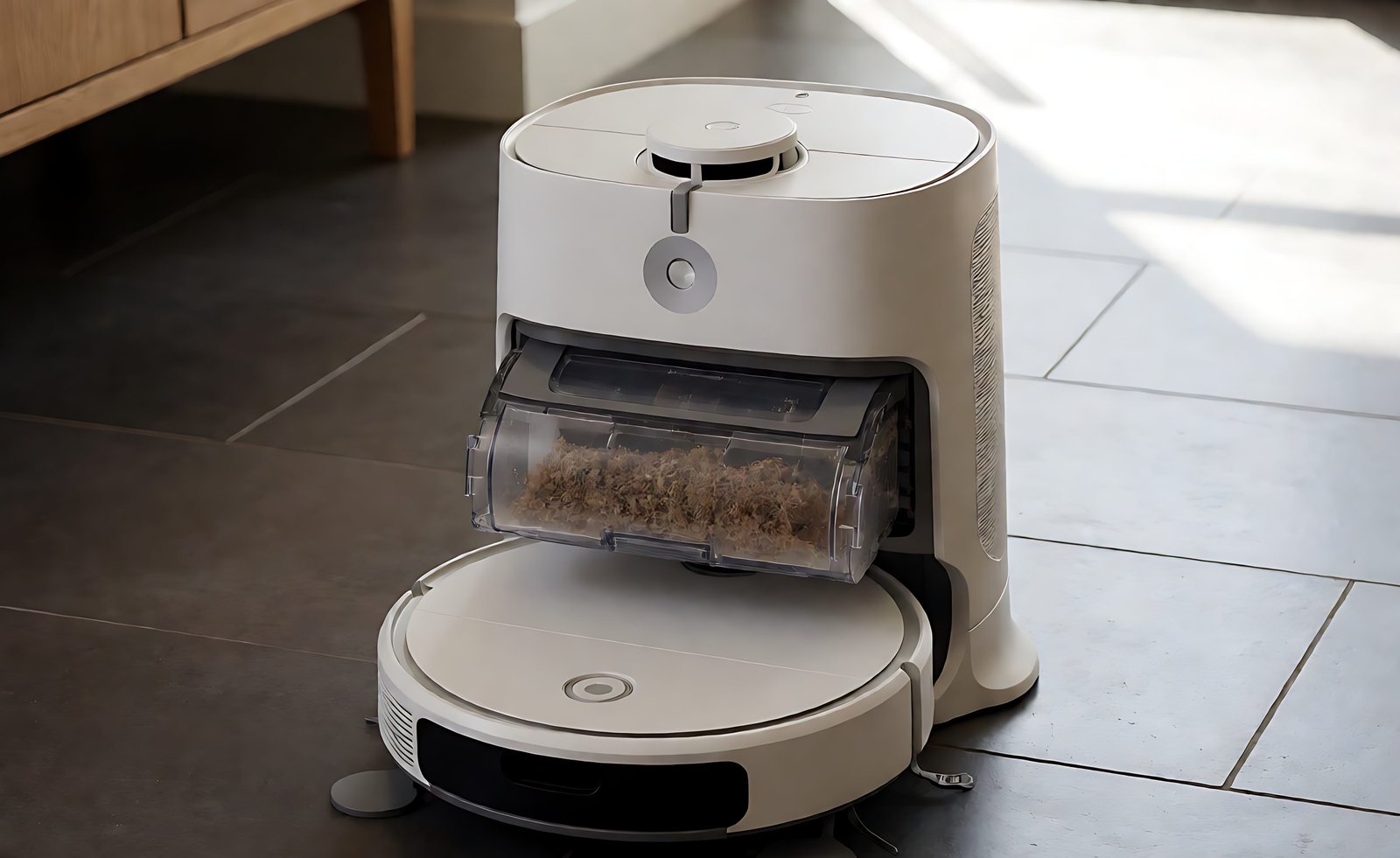
Dustbin capacity is one of the few robot vacuum specifications that appears directly in retail copy, and it is also one of the least informative numbers on the box. Six hundred millilitres tells a buyer almost nothing about how often the customer will actually have to empty the machine, because what fills a bin is not dust volume – it is the shape, weight and packing behaviour of what gets picked up. Pet hair fluffs. Fine dust packs. Crumbs take up space out of all proportion to their weight.
For a brand or retail programme, the empty cycle is where this becomes commercial. A machine that needs emptying after every run in a pet household generates the same review as one with weak suction: “it stopped working.” Specifying capacity honestly, and testing it against the debris the product will genuinely meet, is cheaper than managing that review at scale.
Rated Volume Versus Usable Volume
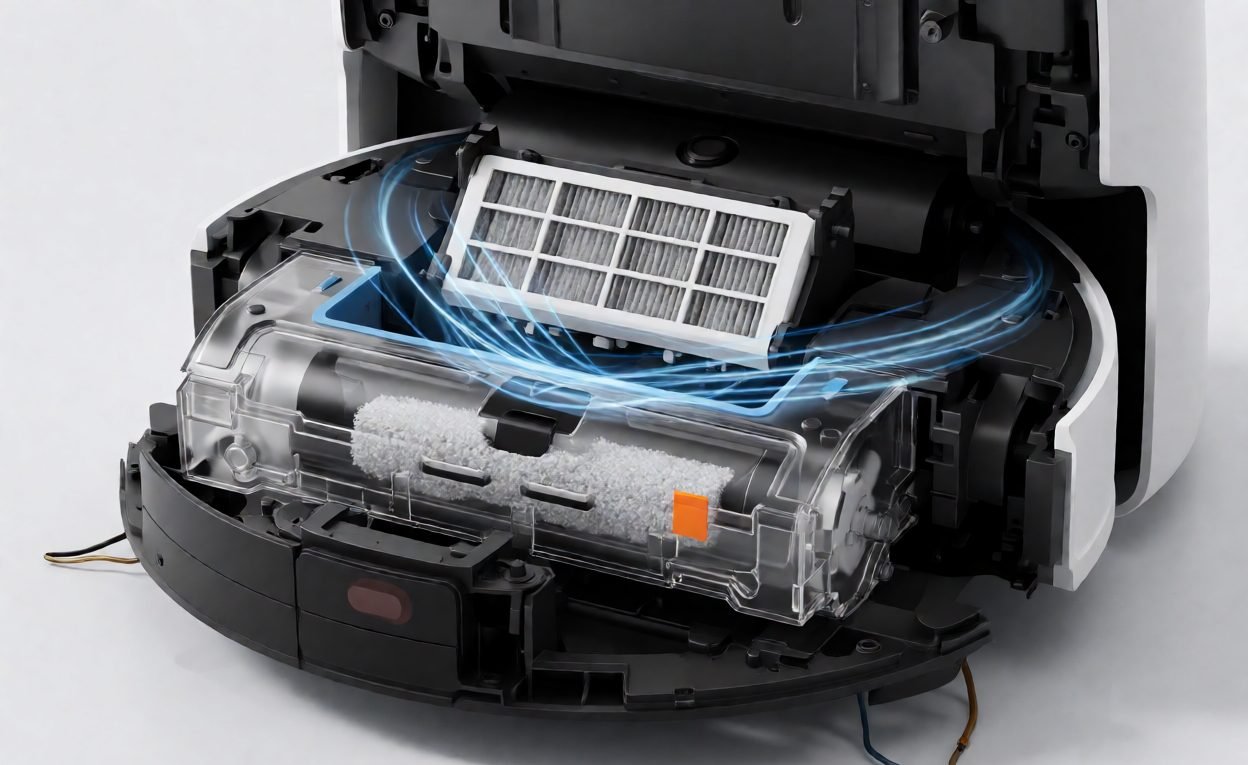
The difference between rated and usable volume varies with filter housing, cyclone layout, airflow path, and the agreed fill limit. Measure it on the finished design instead of applying a generic percentage.
Pickup and the practical intervention point can change as filters load and debris accumulates. Define the debris mix, bin fill level, filter condition, and allowable performance change in the test protocol rather than assuming every supplier measures capacity the same way.
What Actually Sets How Often It Is Emptied
Four variables dominate the empty cycle, and only one of them appears in the marketing.
- Debris type – pet hair occupies volume with very little mass and can fill a bin visually while weighing almost nothing; fine flour-like dust does the opposite and loads filters far sooner.
- Home size and floor mix – a large hard-floor apartment generates remarkably little volume; the same footprint in wall-to-wall carpet can fill the same bin several times over.
- Brush effectiveness – better agitation liberates more from carpet, which means more into the bin per square metre, so a stronger brush shortens the empty cycle while improving the clean.
- Suction-power scheduling – maximum power on every run increases pickup per pass and therefore increases how often the customer intervenes.
This is why the empty cycle should be expressed as a range with stated conditions, not a number. “Typical two-week emptying on hard floors without pets, three to four days in a carpeted pet home” is defensible copy that survives contact with reality.
Specifying the Bin Itself
Three mechanical details decide whether emptying is a ten-second task or a complaint. The bin must release with one hand and one motion, without the unit having to be turned over, because turning a dirty robot onto its back is how customers end up with dust on their clothes. The release latch must survive hundreds of cycles without slackening, since a bin that works itself loose mid-run is a genuine failure rather than an annoyance. And the bin mouth should open wide enough that a clump of hair comes out in one motion rather than being teased out with fingers.
Filter location affects what the user handles during emptying and cleaning. Compare access, dust exposure, cleaning steps, sealing, and replacement cost with production samples; the preferred layout depends on the product and target customer.
The Self-Empty Base: What to Verify
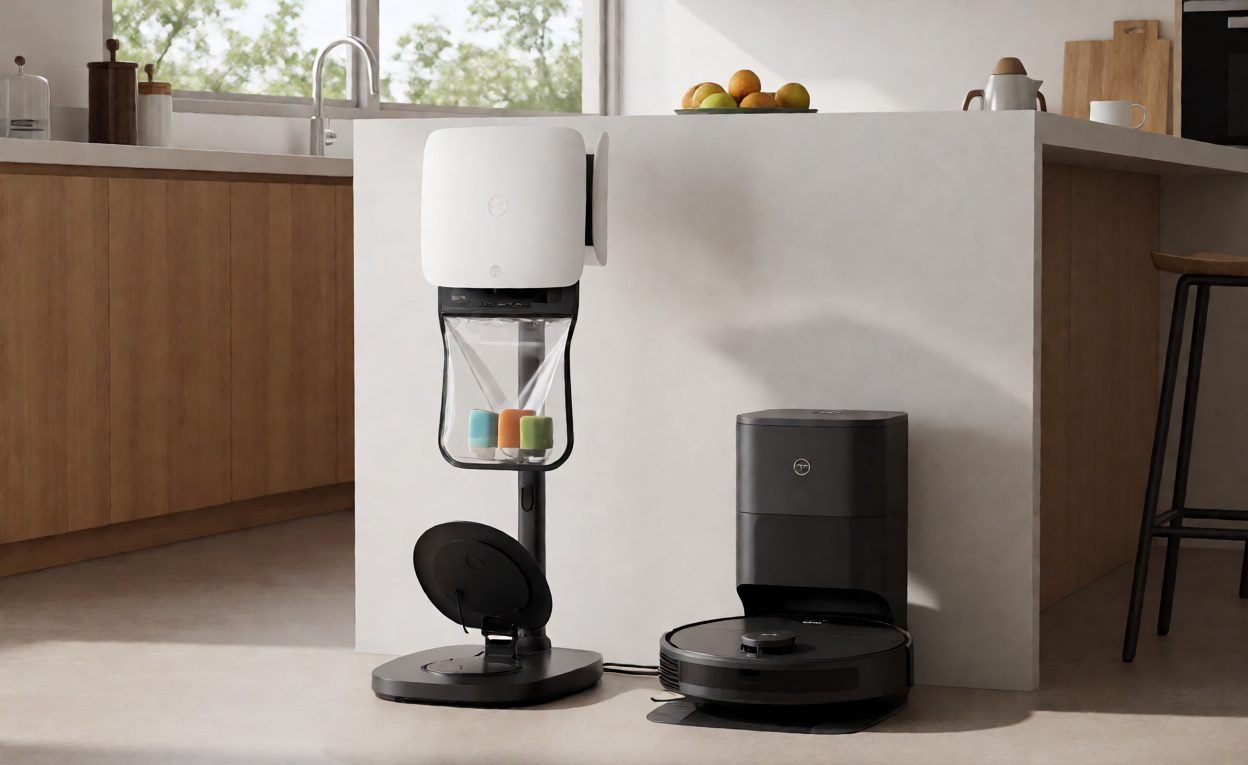
A self-emptying base changes the specification from “how big is the bin” to “how reliable is the transfer.” There are three things to check, because the dock is the part that fails.
- Transfer completeness – after an evacuation cycle, how much remains in the robot’s own bin? Aim to specify a residual well under a tenth by mass, because anything left behind accumulates and eventually blocks the path.
- Seal integrity – the interface between robot and base must seal against leakage, or the dirtiest part of the cycle becomes visible on the floor beside the dock.
- Bag or bagless economics – bagged designs are cleaner and more pleasant to live with but commit the customer to a consumable you must supply for the warranty life of the machine; bagless avoids that and puts the customer face to face with the dust.
Two further items belong in the specification. Noise of the evacuation cycle matters more than its duration, because a violent forty-second vacuum is far more intrusive than a quiet ninety-second one – and the base usually sits in a bedroom hallway. And the base should report bin-full or bag-missing to the app, because the customer cannot see it.
Filtration and the Dust That Does Not Stay In
Capacity and filtration pull against each other. A high-efficiency filter captures fine particles that households with allergies care about, and it restricts airflow as it loads, which reduces pickup long before the bin is visually full. That means the stated capacity is often unreachable in practice: the machine stops cleaning effectively at half the volume because the filter is tired.
Specify both together. State filter grade and expected service life in run-hours, state the capacity at which suction loss exceeds a defined threshold, and put a spare filter in the box. A spare converts the most common performance complaint in the category into a maintenance step the customer already has parts for.
The Test Protocol to Demand
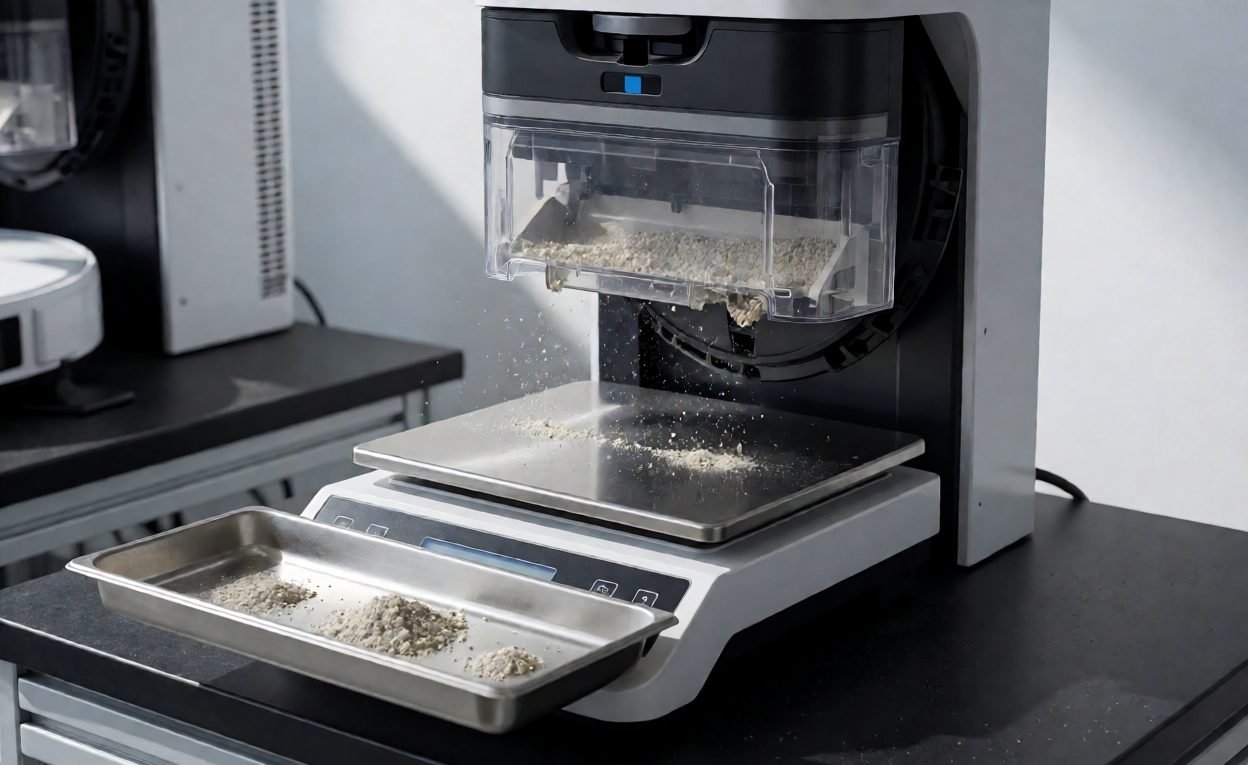
Something short and reproducible beats an elaborate document nobody runs. Take several production units. Clean a defined test area with a defined debris load at two concentrations – a light dust load and a heavy pet-hair load – and repeat until the machine reports full or suction drops below threshold. Weigh what was collected, not the volume it occupied, and record how many runs it took. Then empty each bin one-handed and note how much residual clings to corners and filter frame.
Useful outcomes include runs to intervention by household scenario and residue after emptying. Pair them with the defined test debris, run mode, floor type, filter condition, and bin fill level so the results can be compared.
Contexto Técnico
For comparative household dry-cleaning robot performance, see IEC/ASTM 62885-7:2020+AMD1:2022. Add a separate, documented protocol for usable bin volume, fill level, residue after emptying, and intervention frequency; the standard does not set a dust-bin capacity target.
Related Decisions in the Robot Vacuum Specification
What arrives in the bin depends on agitation and suction, treated in the pet hair brush and suction guide. The number of runs between interventions interacts directly with battery runtime and charging behaviour, because a unit that recharges mid-job changes how often it dumps a load. The evacuation cycle is one of the loudest events the product produces, discussed in the noise level specification, and the navigation that lets a robot return reliably to the base is compared in the mapping sensor options guide e the LiDAR versus camera comparison. Ownership expectations, including what the customer should expect to empty and when, belong alongside common household robot vacuum issues.
Perguntas Frequentes
Qual é a capacidade do lixo suficiente para a maioria das casas?
Depende dos tipos de piso, detritos, animais de estimação, modo de operação e com que frequência os usuários são esperados para esvaziar a lixeira. Defina essas condições e teste a capacidade útil em unidades equivalentes à produção.
Why does my robot lose suction before the bin looks full?
A loaded filter, a blocked path, seals, control settings, or debris distribution can affect pickup before the bin looks full. Test the assembled unit at defined fill and filter conditions.
Should the dustbin be emptied after every run?
Not universally. Set the expected interval from the target home, debris load, bin design, and filter condition, then state the conditions behind the claim.
Is a self-emptying base worth the added cost?
It can reduce manual emptying, but adds cost, noise, maintenance, and possibly consumables. Test the base with target debris and evaluate the ownership trade-offs.
What should the base leave behind after evacuating?
Define a residual measure, debris condition, and acceptance limit for the intended base and transfer path. Do not apply one percentage to all designs without testing.
Bagged or bagless collection base?
Compare dust exposure, emptying steps, noise, maintenance, consumable availability, and operating cost for the target market; neither format is best for every customer.
Should the box include a spare filter?
Decide from the product maintenance interval, replacement availability, package cost, and channel expectations rather than treating a spare as universally necessary.